The Tai Chi Chair Workout Guide
Gentle Chair Exercises for Strength, Mobility & Easier Everyday Movement
Welcome
Welcome to your Tai Chi Chair Workout Guide, created especially for seniors who want to stay active, strengthen their body, and move more comfortably — even when standing exercise feels difficult.
If you have stiff or uncomfortable joints, limited mobility, reduced strength, poor balance, or simply find standing workouts too demanding, chair exercise can give you a gentler way to keep your body moving.
This guide will show you simple seated exercises designed to activate and strengthen important muscle groups throughout your entire body — starting with your feet and calves and gradually working all the way up to your shoulders and neck.
You can follow these exercises at your own pace and adjust each movement to your current ability. And if you want an easy way to keep moving every day, try our FREE Daily Tai Chi Chair Workouts — designed to support strength, mobility, flexibility, balance, and easier everyday movement from the comfort of a chair.
Why We Created This Tai Chi Chair Workout Guide
As we get older, everyday movement can gradually become more difficult.
Muscles may lose strength.
Joints can become stiffer.
Balance may feel less reliable.
Getting out of a chair may take more effort.
Walking, reaching, bending, or completing normal household activities may no longer feel as easy as they once did.
For some seniors, traditional workouts are simply too difficult.
Exercises performed while standing may place too much demand on the knees, hips, back, or balance.
That does not mean you should stop moving.
It means you may need a different way to exercise.
Our Tai Chi Chair Workout approach uses gentle, controlled seated movements to keep important muscles active while allowing you to exercise with the support of a chair.
The goal is simple:
Keep the body moving and gradually make it stronger.
What You Will Find Inside This Guide
In this guide, you will see 8 example chair exercises.
Each exercise focuses on an important area of the body.
We will work through:
- Feet and calves
- Thighs
- Glutes
- Abdominal muscles
- Lower back
- Waist and hips
- Arms, shoulders, and neck
- Upper back and chest
Together, these areas form the foundation of many movements you perform every day.
Your feet and calves support walking.
Your thighs and glutes help you stand and move.
Your core supports stability.
Your hips allow the body to turn and move more freely.
Your upper body helps with reaching, lifting, carrying, pushing, and pulling.
Instead of focusing on only one problem area, our method is designed to work through the whole body from the bottom up.
Our Full-Body Chair Workout Method
The body does not move as a collection of completely separate muscles.
Different muscle groups work together.
When you stand up from a chair, your feet, calves, thighs, glutes, hips, core, and back all contribute.
When you walk, many of these same muscles work together again.
Even reaching for an object involves your core, back, shoulders, chest, and arms.
That is why our Tai Chi Chair Workouts are designed around a simple principle:
Strengthen the entire body — not just one area.
We begin with the feet and calves.
Then we move upward through the legs and hips.
Next, we activate the abdominal and back muscles.
Finally, we work through the upper body, including the arms, shoulders, neck, chest, and upper back.
This creates a more complete approach to seated exercise.
Why Chair Workouts Can Be Useful for Seniors
Chair workouts allow you to exercise while having a stable seated position.
This can make movement more accessible for people who:
- have difficulty standing for long periods
- experience joint stiffness or discomfort
- have limited mobility
- feel unsteady while exercising
- have lost muscle strength
- are returning to exercise after a long period of inactivity
- simply prefer a gentler way to stay active
Being seated does not mean your muscles are doing nothing.
When performed correctly, chair exercises can activate the legs, hips, core, back, shoulders, arms, and many other important muscles.
The key is regular, controlled movement.
Before Starting Your Workout
Always exercise at a level that feels appropriate for your body.
Use a stable chair placed on a flat surface.
Sit comfortably and make sure you feel secure before starting.
Move slowly.
Avoid sudden or uncontrolled movements.
Never force your body into a position that causes sharp or unusual pain.
If a movement feels too difficult, make it smaller.
If you become tired, stop and rest.
You can continue when you feel ready.
If you have a medical condition, recent injury, severe or unexplained pain, dizziness, or have been advised to limit physical activity, speak with your healthcare professional before starting a new exercise program.
How Long Should You Do Each Exercise?
For every exercise in this guide, aim for approximately:
40–60 Seconds
Your own ability should always determine how long you exercise.
You do not have to complete the full 60 seconds.
If you are just beginning, you may start with 20 or 30 seconds.
As the exercise becomes easier, you may gradually increase the duration.
The goal is not to move as fast as possible.
The goal is to perform each movement:
- slowly
- comfortably
- with control
- within your own range of motion
Quality of movement is more important than speed.
How to Breathe During the Exercises
Try not to hold your breath while exercising.
Use this simple breathing rule:
Breathe OUT during the harder part of the movement.
Breathe IN during the easier part of the movement.
When performing the part of the exercise that requires more effort, slowly breathe out.
When returning toward the starting position, breathe in.
Keep your breathing relaxed and natural.
Exercise 1 — Feet & Calves
Build Strength From the Ground Up
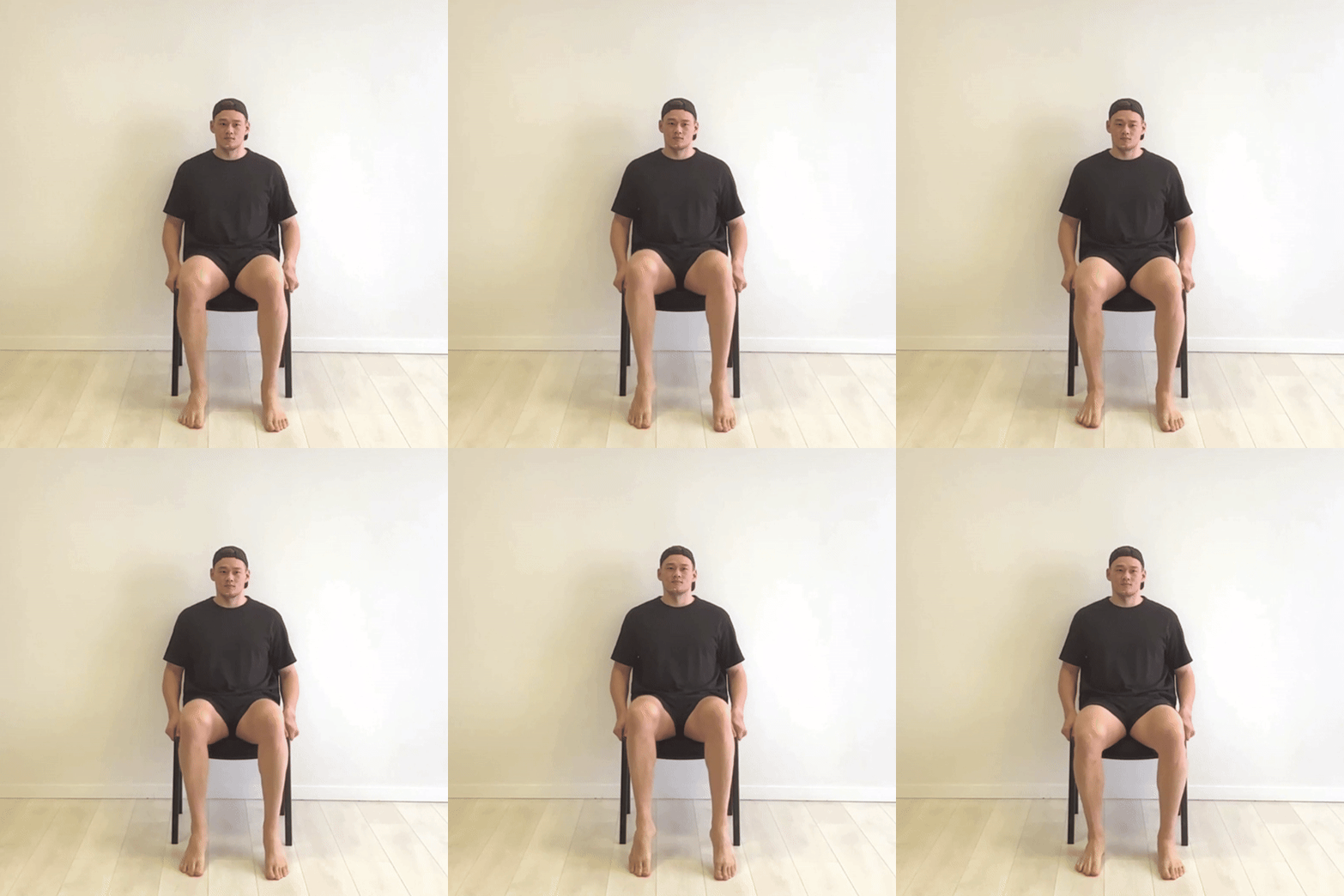
Your feet, ankles, and calves create an important foundation for everyday movement.
These muscles are involved when you stand, walk, shift your weight, and maintain stability.
When the lower legs become weak or stiff, walking may begin to feel more difficult.
This example chair exercise is designed to gently activate the feet and calves while you remain seated.
How to Do It
Watch the video and copy the movement as closely as your mobility allows.
Keep the movement smooth and controlled.
Do not rush.
Perform the exercise for approximately 40–60 seconds, depending on your current ability.
If necessary, begin with less time.
Breathing
Breathe out during the harder part of the movement.
Breathe in during the easier or returning part.
This is an example exercise showing one way to work this area of the body. For more variety and guided full-body sessions, try our FREE Daily Tai Chi Chair Workouts.
Exercise 2 — Thighs
Support Standing, Walking & Daily Movement
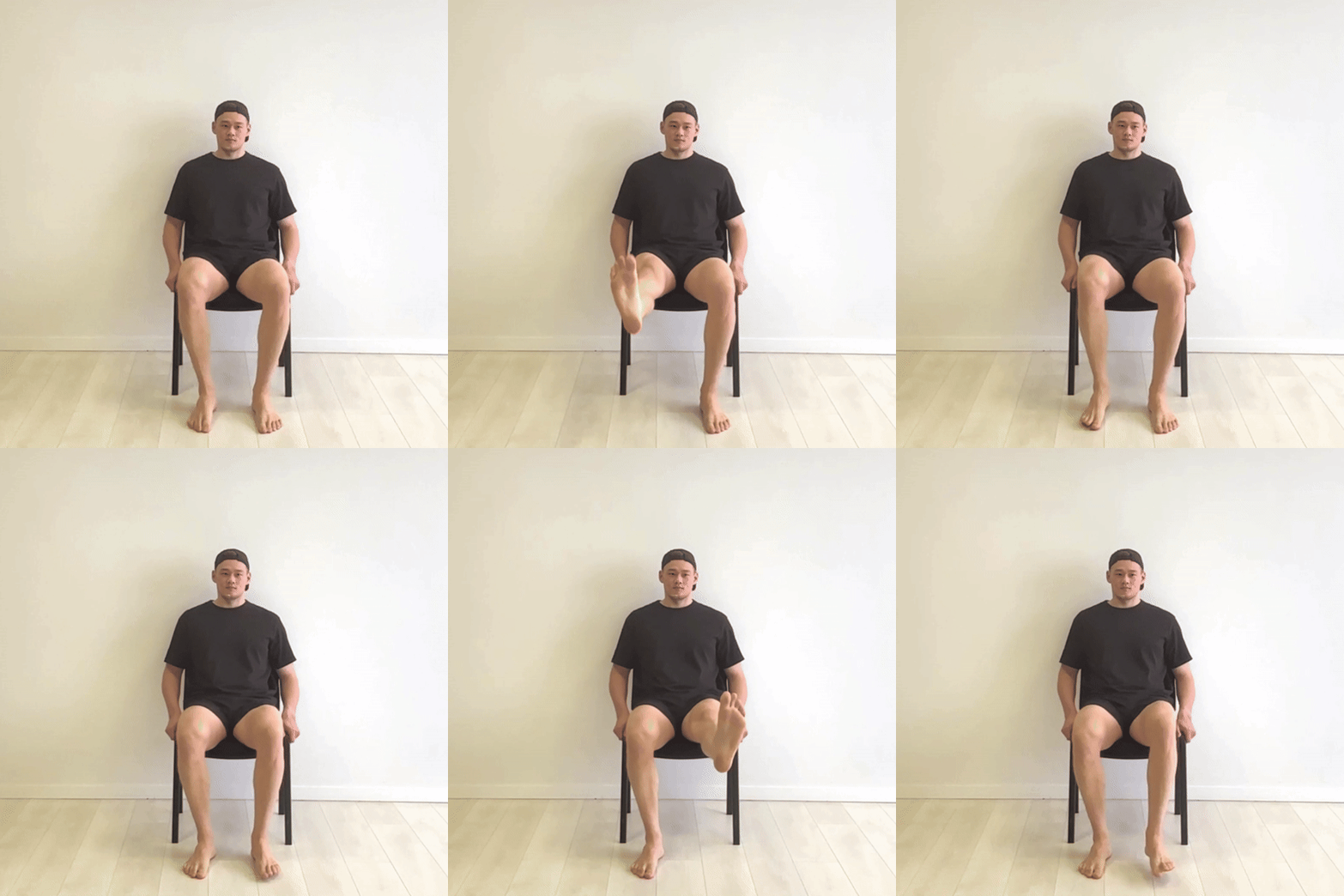
Your thigh muscles are extremely important for everyday independence.
They help you stand up from a chair.
They support walking.
They contribute when climbing steps.
They also help stabilize your legs during movement.
When the thigh muscles become weaker, many ordinary activities may begin to require more effort.
This example exercise allows you to work these muscles while remaining seated.
How to Do It
Follow the movement demonstrated in the video.
Perform it slowly and as accurately as you comfortably can.
Stay within your own range of motion.
Continue for approximately 40–60 seconds.
If you become tired earlier, stop and rest.
Breathing
Breathe out during the more difficult part of the exercise.
Breathe in as you return to the easier position.
This is one example chair exercise. Our FREE Daily Tai Chi Chair Workouts use different movements to keep strengthening your legs while also working the rest of your body.
Exercise 3 — Glutes
Strengthen Your Hips & Lower Body
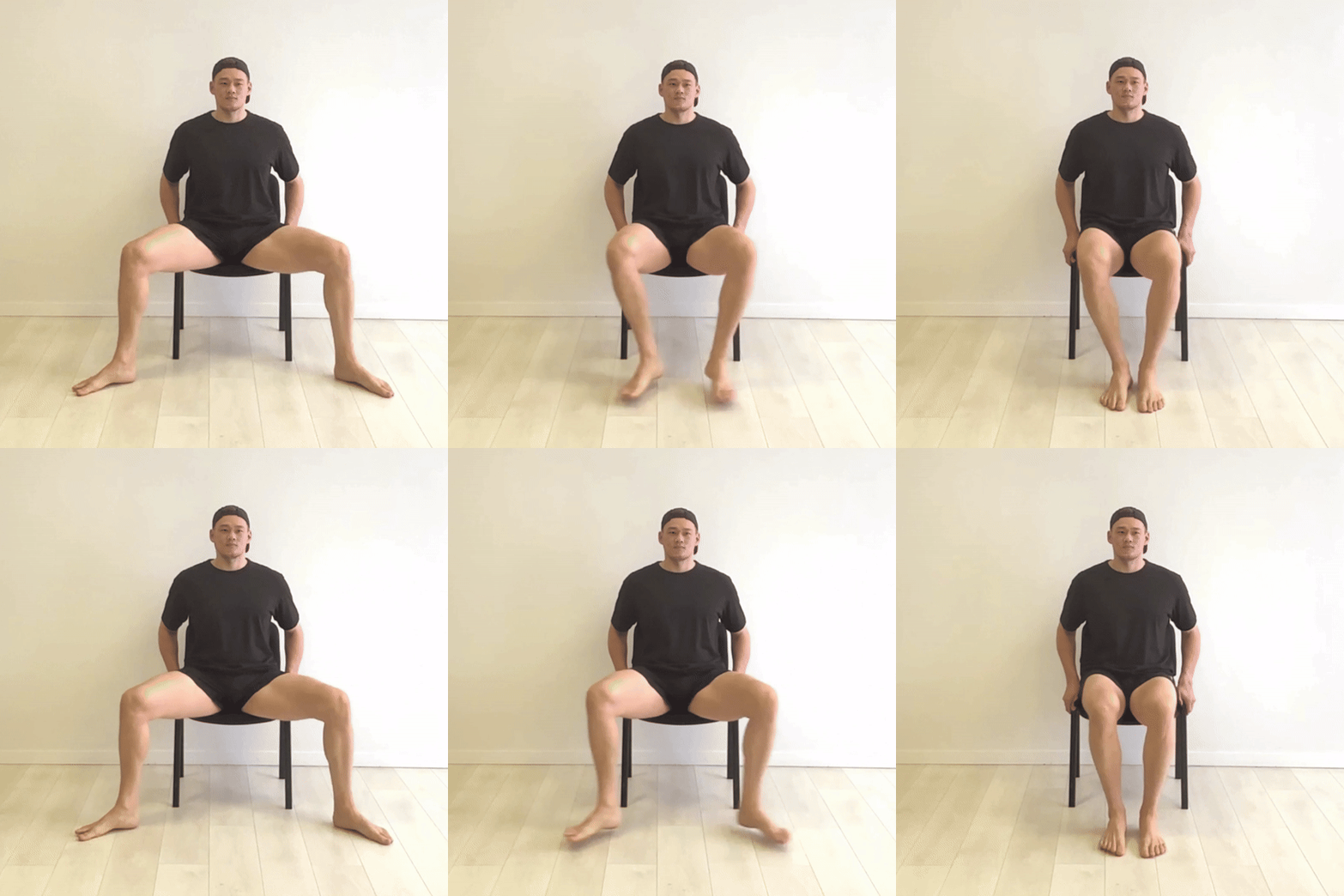
The glute muscles play an important role in lower-body strength.
They work with your hips and legs when you walk, stand, and change position.
Strong glute muscles also contribute to overall stability and support.
When these muscles become weak, other areas of the body may have to work harder during movement.
This seated exercise helps activate the glutes without requiring a standing workout.
How to Do It
Copy the movement shown in the video.
Focus on controlled movement instead of speed.
Try to feel the muscles working while keeping the movement comfortable.
Continue for approximately 40–60 seconds, depending on your ability.
Breathing
Breathe out during the harder part of the movement.
Breathe in while returning to the easier position.
This is an example exercise rather than a complete workout. To continue strengthening your lower body and the rest of your muscles, follow our FREE Daily Tai Chi Chair Workouts.
Exercise 4 — Abdominal Muscles
Build a Stronger Core for Better Stability
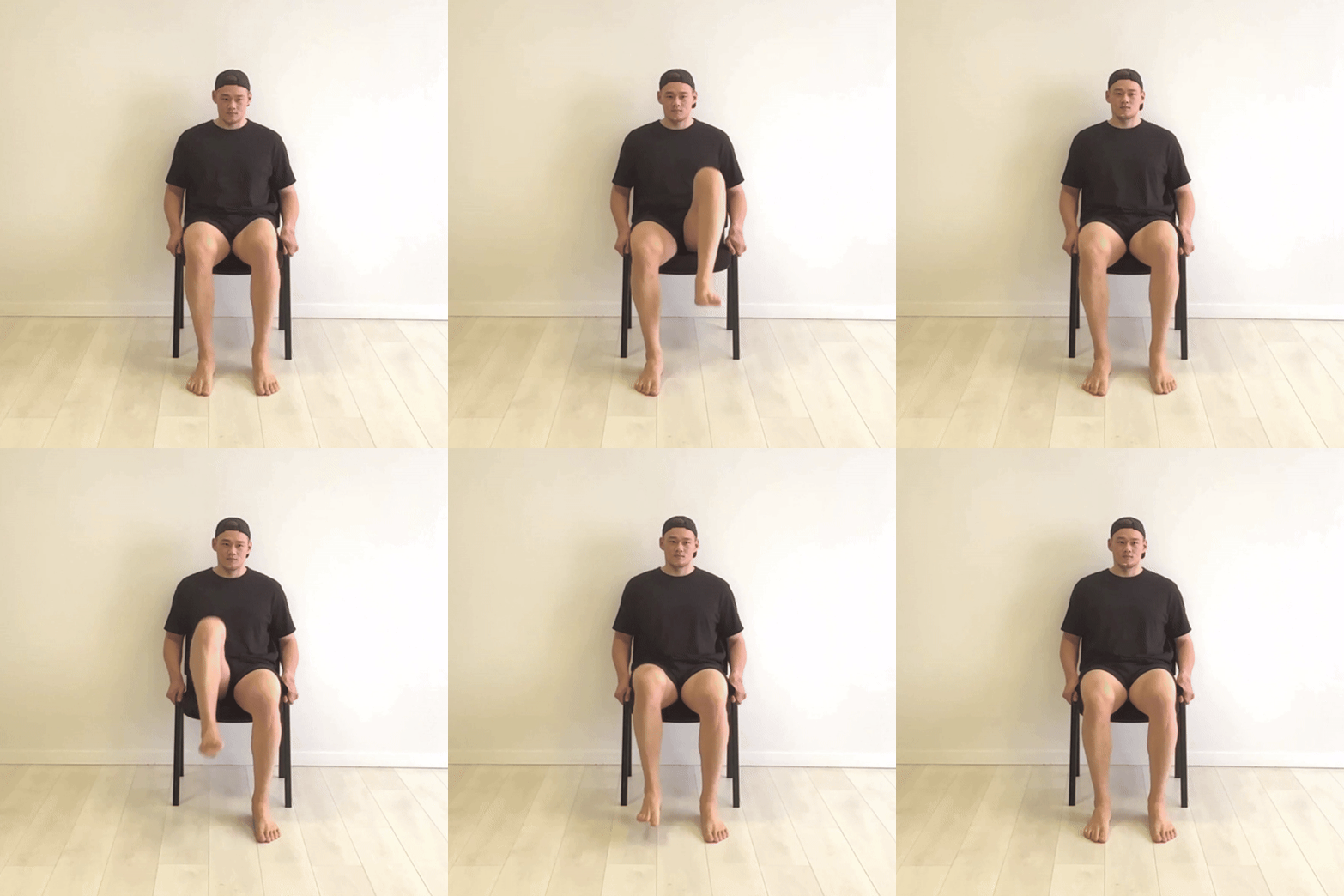
Your abdominal muscles are part of your core.
Your core helps support your body when you sit, stand, reach, turn, and walk.
Even simple everyday movements often require your core muscles to work.
When these muscles become weak, movement may feel less stable.
Gentle seated core exercises can help keep these important muscles active.
How to Do It
Follow the movement demonstrated in the video.
Keep the movement smooth.
Avoid jerking or forcing your body.
Only move as far as feels comfortable.
Perform the exercise for approximately 40–60 seconds, according to your ability.
Breathing
Breathe out during the more difficult part of the movement.
Breathe in during the easier part.
This is one example exercise. For more complete guided sessions that work your core together with the rest of your body, try our FREE Daily Tai Chi Chair Workouts.
Exercise 5 — Lower Back
Support Your Back Through Gentle Movement
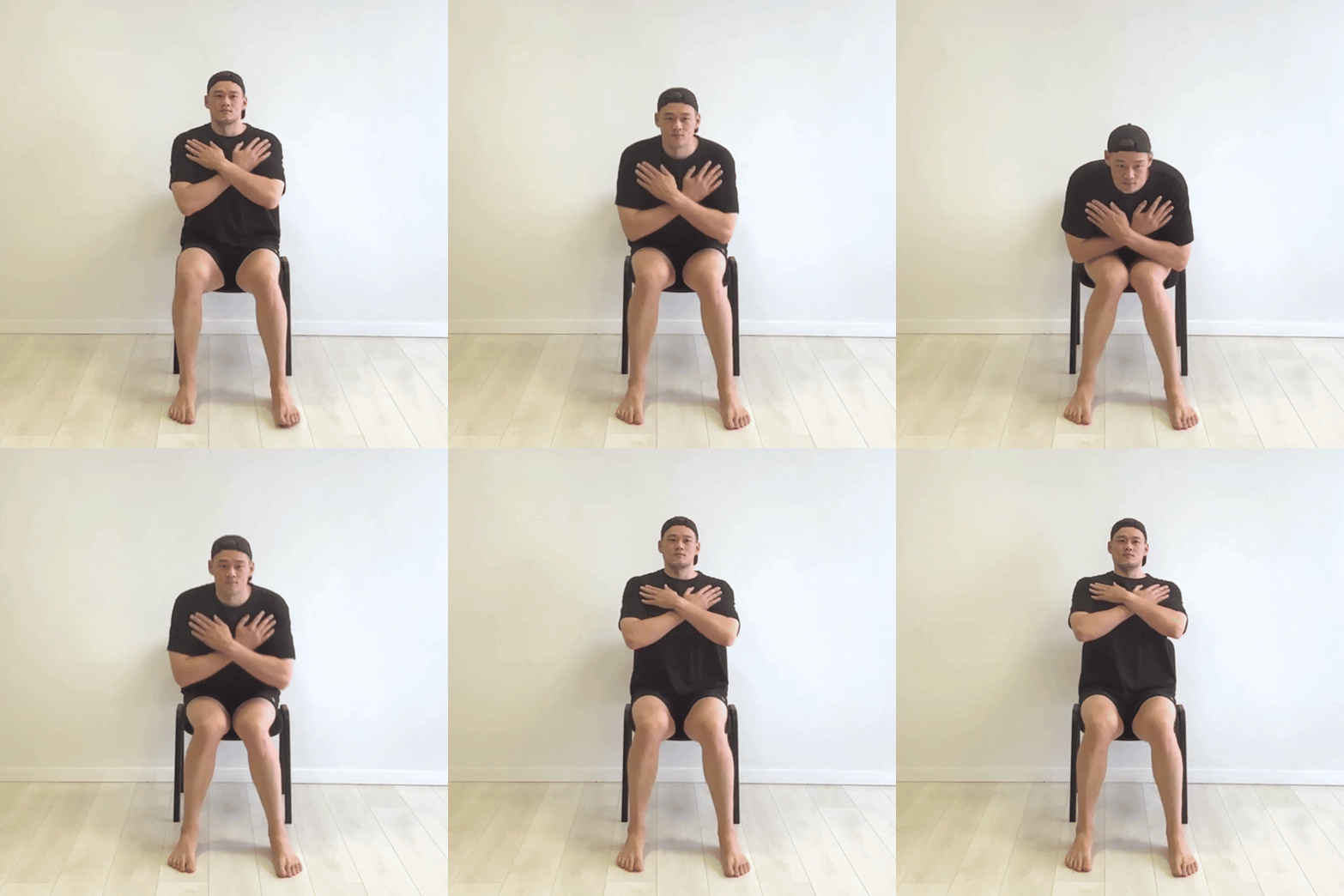
Your lower back works together with your abdominal muscles, hips, and pelvis.
These areas help support the body during many everyday movements.
Long periods of sitting and reduced physical activity may contribute to stiffness and weakness around the lower back.
Gentle movement can help keep these muscles active.
How to Do It
Watch the video and carefully copy the movement.
Move slowly.
Do not force your back into a larger movement than feels comfortable.
If you experience sharp pain, stop.
Perform the exercise for approximately 40–60 seconds, depending on your ability.
Breathing
Breathe out during the harder part.
Breathe in as you return.
This is an example lower-back exercise. Our FREE Daily Tai Chi Chair Workouts combine back exercises with movements for the legs, hips, core, and upper body.
Exercise 6 — Waist & Hips
Keep the Center of Your Body Moving
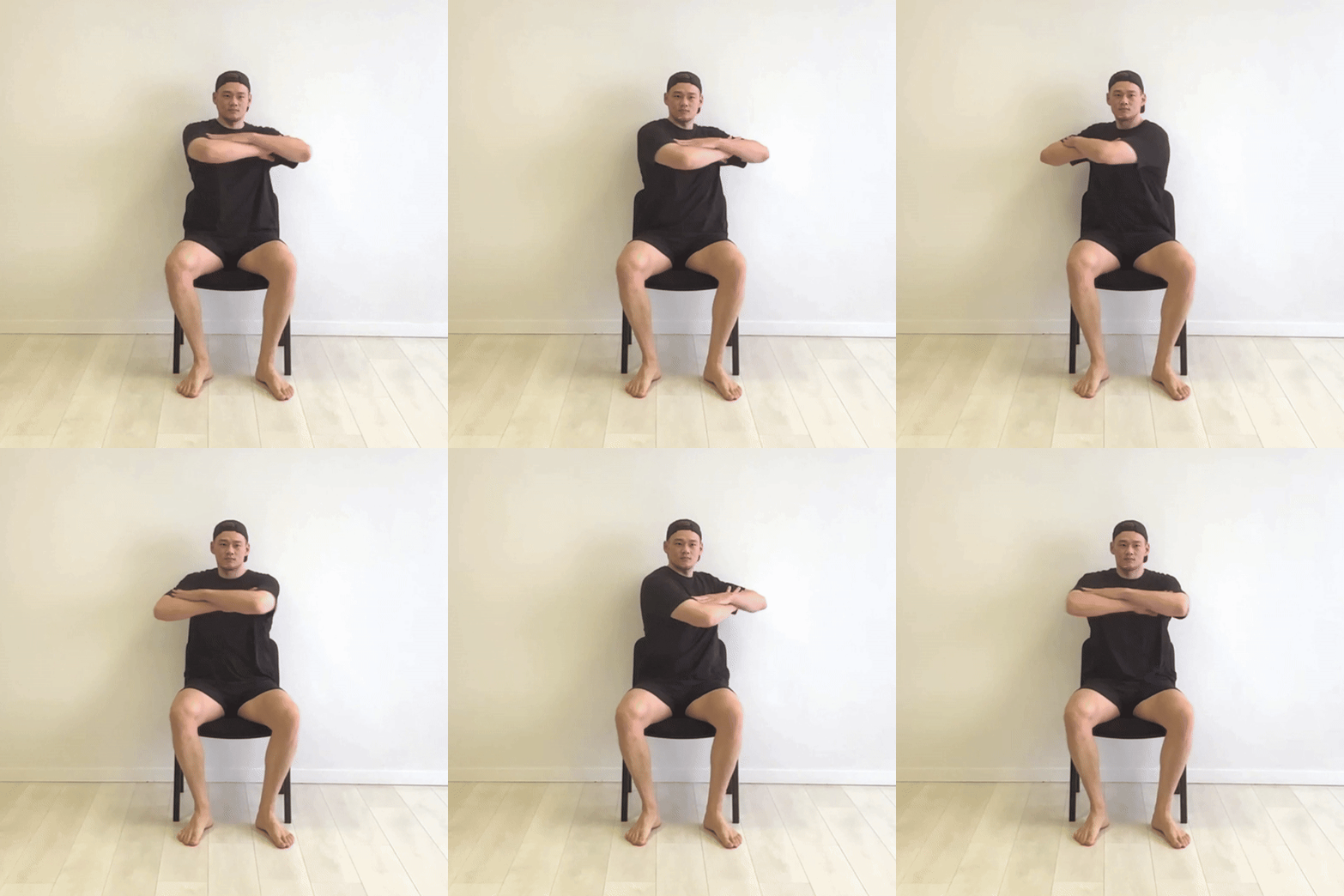
Your hips and waist are involved in many everyday activities.
You use them when walking.
Turning.
Reaching.
Changing direction.
Getting in and out of a chair.
When this area becomes stiff, the whole body can begin to feel less mobile.
Gentle movement through the waist and hips can help keep this important area active.
How to Do It
Follow the movement shown in the video.
Move only as far as your body comfortably allows.
You do not need to copy another person's exact range of motion.
A smaller movement is completely fine.
Continue for approximately 40–60 seconds.
Breathing
Breathe out during the harder part of the movement.
Breathe in during the easier part.
This is an example movement. Our FREE Daily Tai Chi Chair Workouts include different exercises so you can continue working your mobility and strengthening your entire body.
Exercise 7 — Arms, Shoulders & Neck
Keep Your Upper Body Strong & Active
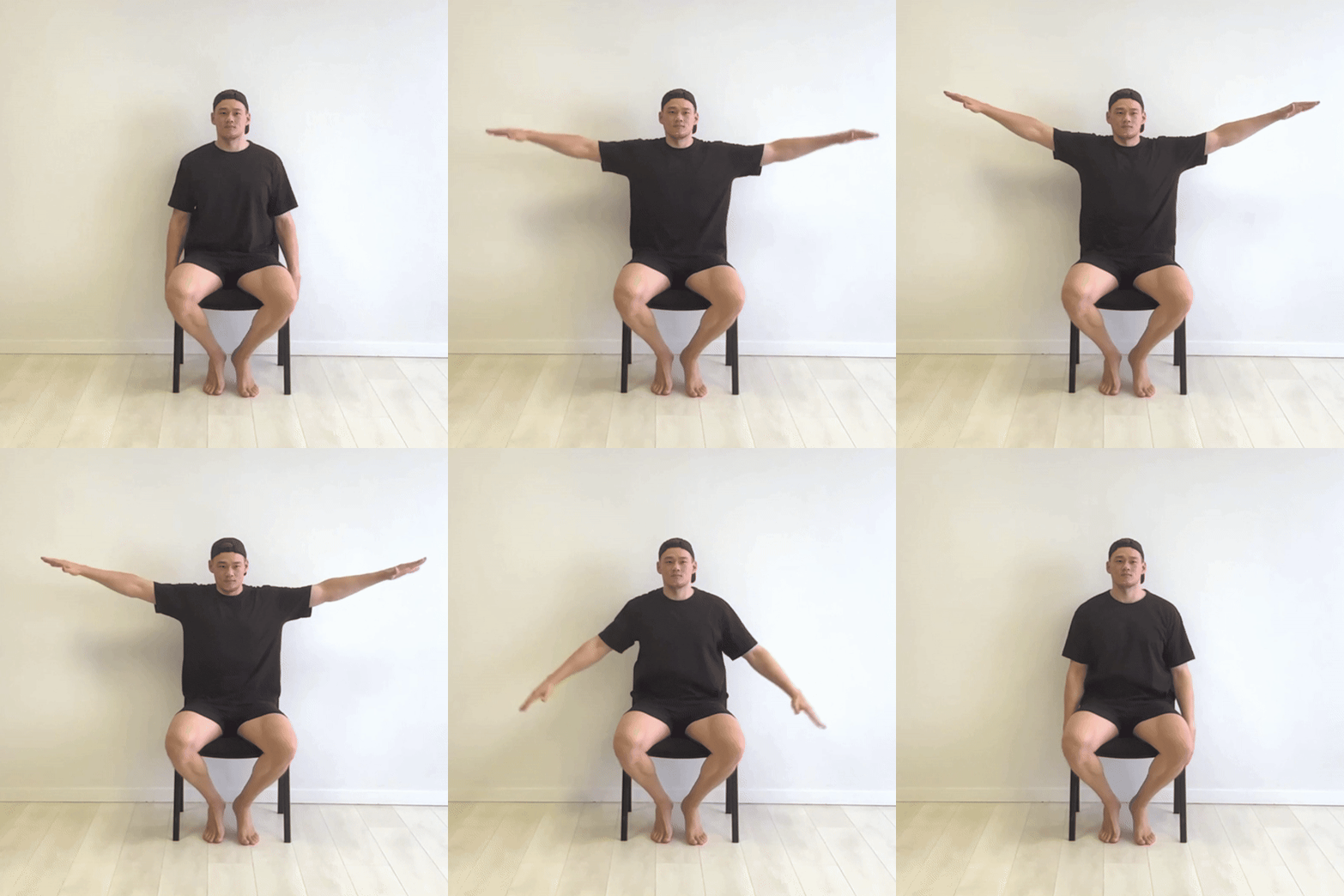
You use your arms and shoulders throughout the entire day.
Reaching for objects.
Getting dressed.
Opening doors.
Carrying light items.
Preparing meals.
Supporting yourself while changing position.
The shoulders and neck may also become stiff when you spend long periods sitting or moving very little.
This exercise is designed to gently activate the upper body.
How to Do It
Watch the video and follow the movement.
Keep your motions controlled.
Avoid unnecessary tension in your shoulders and neck.
Continue for approximately 40–60 seconds, depending on your ability.
Breathing
Breathe out during the harder part of the exercise.
Breathe in during the easier part.
This is one example exercise. Our FREE Daily Tai Chi Chair Workouts include a variety of movements for your arms, shoulders, neck, and the rest of your body.
Exercise 8 — Upper Back & Chest
Support Upper-Body Strength & Mobility
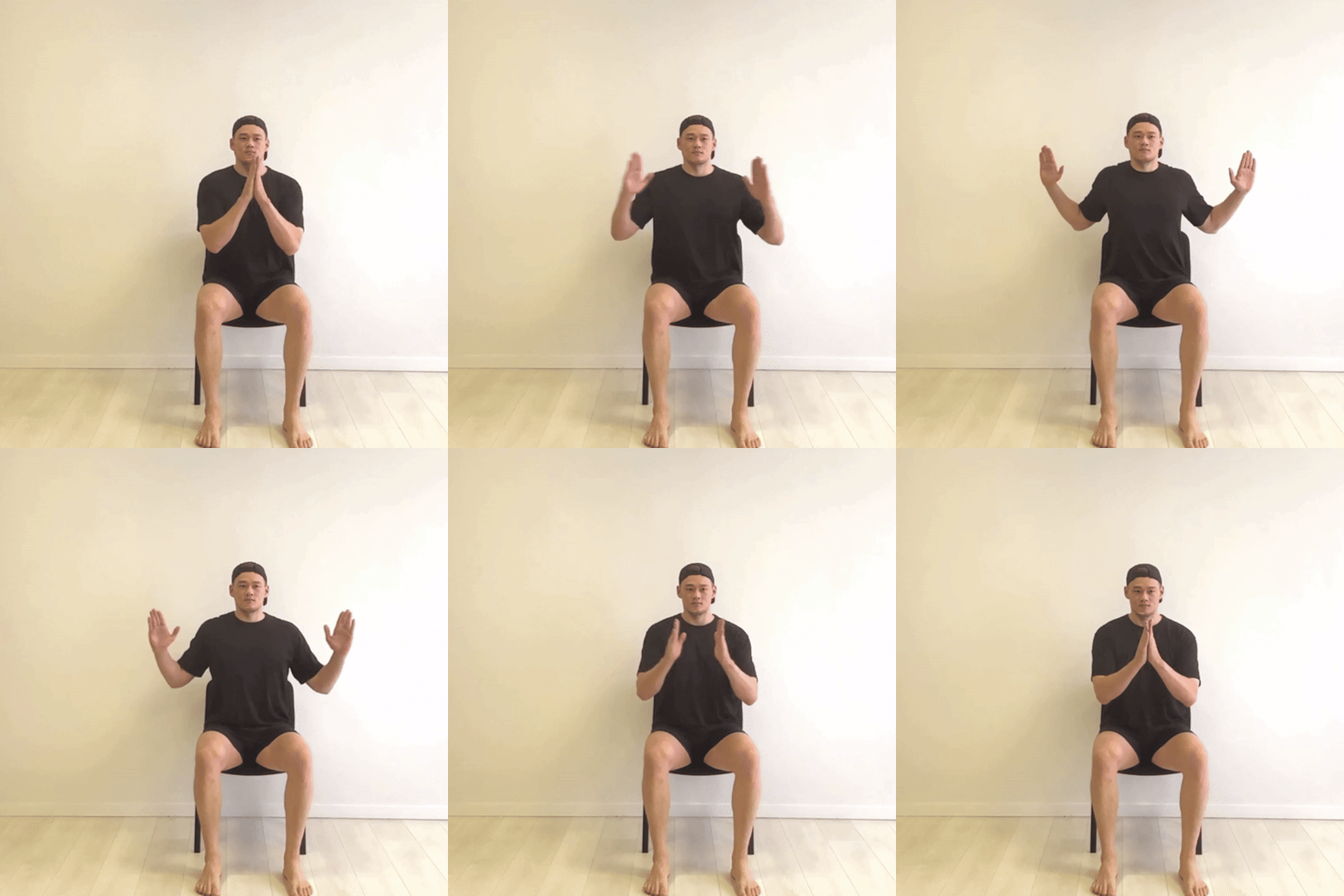
Your upper back and chest muscles are involved in many everyday upper-body movements.
They contribute when you:
- reach
- pull
- push
- lift your arms
- maintain an upright seated position
When we spend a lot of time sitting, the upper body can become stiff and inactive.
Gentle movement can help keep these muscles working.
How to Do It
Follow the movement shown in the video.
Keep the exercise slow and controlled.
Do not force your shoulders or arms farther than feels comfortable.
Continue for approximately 40–60 seconds, according to your ability.
Breathing
Breathe out during the more difficult part of the exercise.
Breathe in while returning to the easier position.
This is an example chair exercise. For guided sessions that work your upper back, chest, arms, core, hips, and legs together, try our FREE Daily Tai Chi Chair Workouts.
Why We Work the Whole Body
Each exercise in this guide focuses on a specific area.
But the real goal is not to strengthen only one muscle.
It is to keep the whole body active.
The body works together.
Your feet support your legs.
Your legs work with your hips.
Your hips work together with your core.
Your core helps stabilize your back and upper body.
Your shoulders and arms depend on support from your chest and back.
That is why our chair workout method moves progressively from the bottom of the body toward the top.
Feet & Calves
Support your foundation and lower-leg movement.
Thighs & Glutes
Provide strength for standing, walking, and other daily activities.
Abdominal Muscles & Lower Back
Help support and stabilize the center of your body.
Waist & Hips
Support turning, reaching, walking, and mobility.
Arms, Shoulders & Neck
Support many everyday upper-body tasks.
Upper Back & Chest
Help with posture and arm movement.
Working these areas together creates a more balanced approach to exercise.
You Do Not Need to Be Strong to Start
You may look at an exercise and think:
“I am too weak to do this.”
But you do not need to perform the movement perfectly.
You only need to start at your current level.
If the full movement feels too difficult, make it smaller.
If 60 seconds feels too long, exercise for less time.
If your arms cannot move as high as the person in the video, move them only as far as feels comfortable.
If you need to rest, rest.
Your workout should adapt to you.
Not the other way around.
Small Movements Still Count
One of the most important things to understand is that movement does not need to be large or intense to matter.
A smaller movement still activates your muscles.
A shorter workout is still movement.
A slower exercise is still exercise.
For seniors with limited mobility, beginning gently can be the best way to create a routine that feels realistic and sustainable.
Over time, movements that once felt difficult may begin to feel more comfortable.
Consistency Is More Important Than Intensity
You do not need an exhausting workout every day.
For many seniors, a gentle workout that can be repeated consistently is much more practical.
Regular movement gives your muscles repeated opportunities to work.
That is why we encourage making chair exercise part of your everyday routine.
You may begin with only a few exercises.
Later, you may be able to perform more.
The important part is to keep moving.
Benefits of Regular Tai Chi Chair Workouts
Consistent chair exercise may support:
- stronger muscles
- improved mobility
- greater flexibility
- easier everyday movement
- better coordination
- improved body awareness
- better support for balance
- less stiffness caused by inactivity
- improved circulation
- greater confidence while moving
- better ability to complete everyday activities
- more daily energy
Everyone's body is different.
Your progress may look different from someone else's.
You do not need to compare yourself with anyone.
Focus on what your body can do today.
Build Strength From Your Feet to Your Shoulders
Our Tai Chi Chair Workout method is designed to work through the entire body.
We begin at the bottom.
Feet.
Calves.
Thighs.
Glutes.
Then we move through the center of the body.
Abdominal muscles.
Lower back.
Waist.
Hips.
And finally, we reach the upper body.
Arms.
Shoulders.
Neck.
Upper back.
Chest.
This allows many important muscle groups to receive regular movement and activation.
You are not simply moving your arms or legs.
You are gradually working toward a stronger, more active whole body.
These Exercises Are Only the Beginning
The 8 exercises in this Tai Chi Chair Workout Guide are example movements.
They are designed to show you how different areas of the body can be worked while sitting in a chair.
But your body benefits from variety.
Using different movements can activate muscles in slightly different ways and make your exercise routine more complete.
That is why we create new guided chair workouts that you can simply follow.
You do not need to remember exercises.
You do not need to create your own routine.
Simply sit down, start the workout, and follow along at your own pace.
Make Chair Exercise Part of Your Daily Routine
You do not need a gym.
You do not need expensive equipment.
You do not need to perform difficult standing workouts.
You do not even need to exercise for a long time.
What matters is giving your body regular opportunities to move.
Start with what you can do today.
Move slowly.
Breathe naturally.
Listen to your body.
Rest when you need to.
And continue building your routine one day at a time.
The exercises in this guide are only examples of the movements you can use to keep your body active. Try our FREE Daily Tai Chi Chair Workouts and follow easy guided sessions designed to strengthen your feet, legs, hips, core, back, arms, and shoulders while supporting better mobility, flexibility, balance, confidence, and easier everyday movement.